.jpg)

How Often Should Commercial Floors Be Cleaned? | RLS Cleaning
How often should commercial floors and carpets be cleaned in Baltimore businesses? See recommended frequencies by floor type from RLS Cleaning Services.
How Often Should Commercial Floors Be Cleaned in Baltimore?
Floors take more daily abuse than almost any other surface in a commercial space — foot traffic, spills, dirt tracked in from outside, and constant wear that most people never think about until it starts to show. Yet floor care is one of the most commonly under-scheduled parts of commercial cleaning, often handled reactively ("it looks dirty, let's clean it") instead of on a proper maintenance schedule.
If you manage an office, retail space, or commercial property in Baltimore, here's a realistic breakdown of how often your floors — and carpets — actually need attention, based on floor type and traffic level.
Why Floor Maintenance Schedules Matter
Floors are one of the most visible indicators of how well-maintained a space is, and they're also one of the most expensive surfaces to replace. A consistent cleaning and maintenance schedule does two things at once: it keeps the space looking professional day to day, and it protects your investment by preventing the kind of ground-in dirt and wear that shortens a floor's lifespan.
Under-maintained floors don't just look worse — they can also become a slip-and-fall liability, particularly in entryways and high-traffic hallways where dirt, moisture, or polish buildup accumulates.
Recommended Cleaning Frequency by Floor Type
Hard Surface Floors (Tile, VCT, Vinyl)
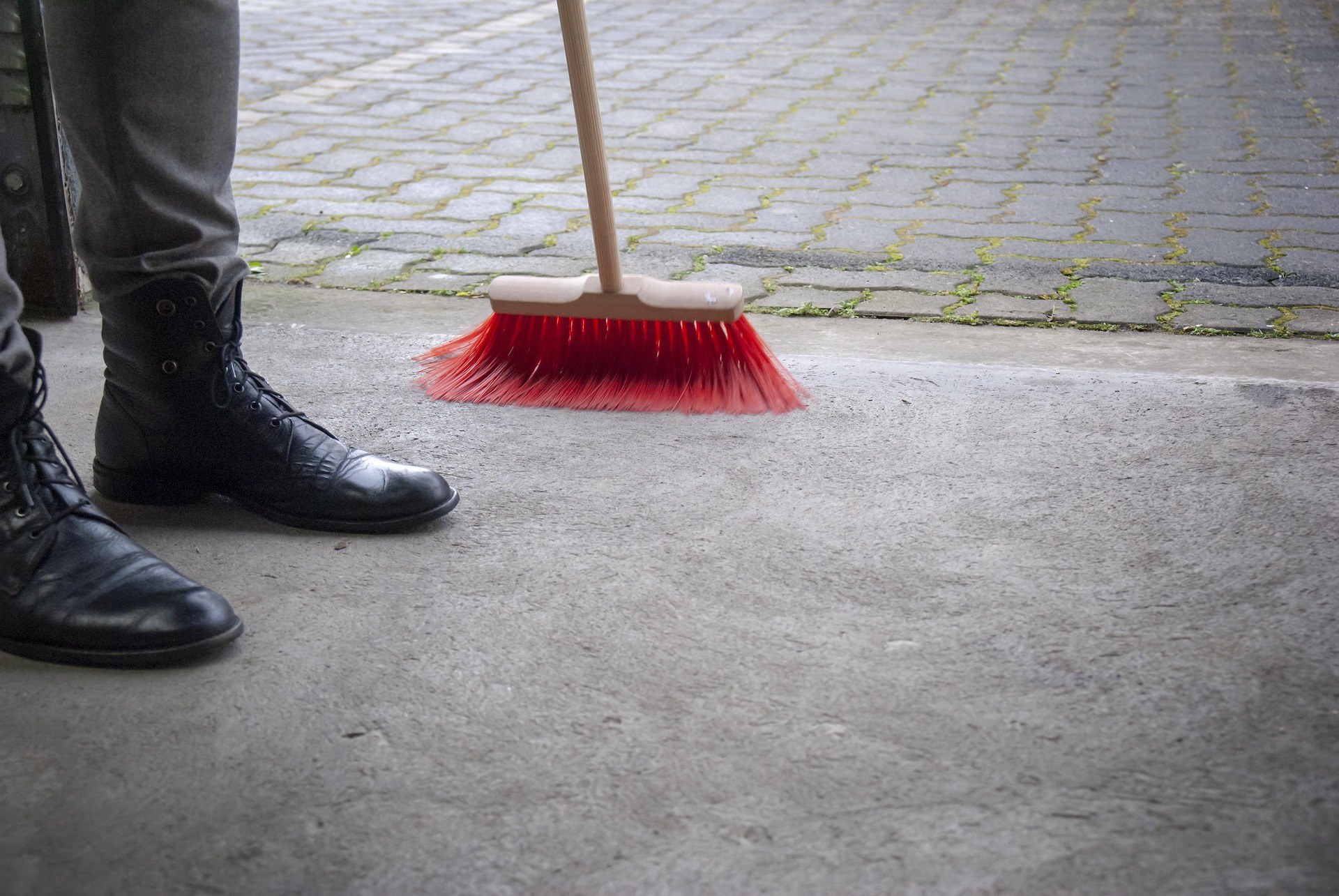
Daily sweeping or dust-mopping is standard for any commercial space with regular foot traffic, paired with a wet mop 2-3 times per week depending on traffic volume. Beyond routine cleaning, most hard floors benefit from a deep scrub-and-wax or strip-and-refinish every 3-6 months, which restores shine and seals the surface against daily wear.
Hardwood and Laminate
These surfaces need gentler, more frequent light cleaning — daily dust-mopping to prevent grit from scratching the finish, with a proper damp mop weekly. Deep refinishing is less frequent than tile, typically every 1-2 years depending on traffic, but routine care in between is what actually extends that timeline.
Commercial Carpet
Carpet traps dirt, allergens, and odors in ways hard floors don't, which makes its maintenance schedule a little different. Daily vacuuming in high-traffic areas (entryways, hallways, conference rooms) is the baseline, with a professional deep/steam clean every 3-6 months for most office environments. Retail spaces or anywhere with heavier foot traffic often need deep cleaning closer to quarterly to avoid visible wear patterns and ground-in soil.
Entryway and Lobby Flooring
Entryways deserve special attention regardless of material, since they take in the most dirt, moisture, and debris from outside — especially during Baltimore's wetter and snowier months. Daily attention here, rain mats included, prevents dirt from spreading throughout the rest of the building.
Factors That Can Shift These Schedules
- Foot traffic volume: A busy retail storefront needs more frequent floor care than a small professional office.
- Weather and season: Winter salt, slush, and mud significantly increase how often entryways and hard floors need attention.
- Floor age and condition: Older floors with existing wear often need more frequent maintenance to avoid accelerating damage.
- Industry type: Medical offices, restaurants, and food service spaces typically require stricter cleaning schedules for health and safety compliance, not just appearance.
The Cost of Deferred Floor Maintenance
Skipping or stretching out floor maintenance to save money short-term often costs more long-term:
- Ground-in dirt and wear patterns that require more aggressive (and expensive) restoration later
- Shortened lifespan of flooring material, leading to earlier full replacement
- Slip-and-fall liability risk, particularly in entryways and high-traffic zones
- A less professional first impression for clients, customers, or tenants walking into the space
A scheduled, right-sized maintenance plan is almost always more cost-effective than reactive deep cleans or early floor replacement.
How RLS Cleaning Services Approaches Floor Care
At RLS Cleaning Services, we build floor care schedules around your specific space — floor type, traffic level, and industry — rather than a generic one-size-fits-all plan. Whether you're managing office space, a retail storefront, or common areas across a larger property, we help determine the right balance of routine maintenance and deeper periodic cleaning to keep your floors looking professional and lasting longer.
If you're not sure whether your current floor care schedule is enough, we're happy to walk the space with you and recommend what actually fits.
Get a Free Quote or learn more about our Floor Care & Maintenance services for businesses and property managers across Baltimore, Towson, and Harford County.