

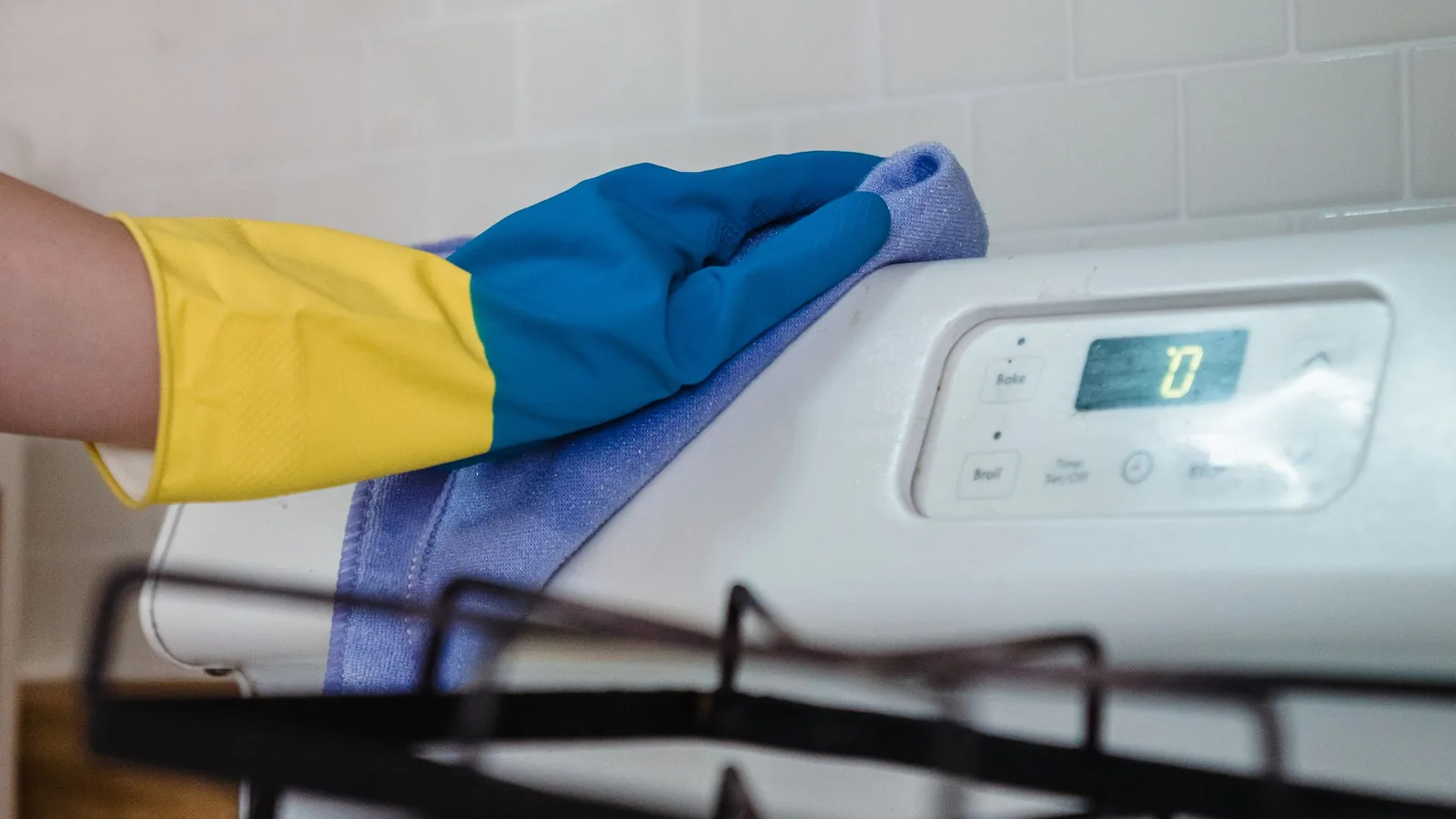
Who Pays for Move-Out Cleaning in Maryland? A Landlord's Guide
Can a Maryland landlord deduct move-out cleaning from a security deposit? What § 8-203 says about wear and tear, the 45-day rule, and itemized lists.
When a tenant hands back the keys and the unit isn't clean, the same question comes up every time: who pays for the move-out cleaning? For landlords and property managers in Baltimore, Towson, and Bel Air, the answer depends on Maryland's security deposit law, the condition of the unit, and how well the move-in and move-out condition was documented.
This guide walks through what Maryland law actually says, where cleaning fits, and how to set up your turnover process so cleaning charges are fair, defensible, and rarely disputed. It's general information, not legal advice. For a specific situation, talk with a Maryland attorney and read the current statute yourself.
What Maryland Law Says About Security Deposit Deductions
Maryland's security deposit rules are in Real Property Article § 8-203 of the Maryland Code. A few parts matter most when you're deciding whether a cleaning cost can come out of the deposit.
What a deposit can be withheld for
Under § 8-203(f), a landlord may withhold all or part of a security deposit for:
- Unpaid rent
- Damage due to breach of the lease
- Damage by the tenant (or the tenant's family, guests, or invitees) in excess of ordinary wear and tear to the unit, common areas, major appliances, and landlord-owned furnishings
The statute doesn't list "cleaning" as its own category. So a cleaning charge has to fit one of those buckets, usually damage beyond ordinary wear and tear or a breach of a lease term. That is why the condition of the unit, and your records of it, carry so much weight.
The 45-day deadline and the itemized list
Within 45 days after the tenancy ends, the landlord must return the deposit, plus any interest owed, minus damages rightfully withheld. If any part is withheld, the landlord must mail the tenant a written list of the damages claimed, along with an itemized statement of the costs, to the tenant's last known address within that same 45-day window.
The law also says the itemized statement must include supporting documentation that identifies the materials or services provided. A landlord may use an estimate, but then must notify the tenant in writing when the work is done, include a copy of the final invoice, and refund any amount withheld beyond the actual cost.
What happens if the rules aren't followed
If a landlord doesn't send the required list of damages, the landlord forfeits the right to withhold any part of the deposit for damages. If a landlord fails to return the deposit without a reasonable basis, the tenant can bring an action for up to three times the withheld amount, plus reasonable attorney's fees. A lease can't waive any of these protections.
The tenant's right to attend the inspections
Maryland also gives tenants the right to be present at the move-out inspection if they notify the landlord by certified mail at least 15 days before moving, with the move date and a new address. The landlord then has to schedule the inspection within five days before or after the move date and notify the tenant in writing. Under § 8-203.1, the deposit receipt has to explain these rights, along with the tenant's right to request a move-in inspection within 15 days of occupancy.
Ordinary Wear and Tear vs. a Cleaning Problem
This is where most disputes start. Every lived-in unit shows some wear. A tenant generally isn't responsible for the normal aging of a unit, but a tenant may be responsible for conditions that go beyond that.
Usually ordinary wear and tear
- Light scuffs on walls along hallways and behind furniture
- Carpet that's flattened in walking paths
- Minor fading on blinds or paint from sunlight
- A small amount of dust in an otherwise tidy unit
- Normal wear on cabinet hardware and door handles
Often beyond ordinary wear and tear
- Heavy grease buildup on the range, hood, and backsplash
- A refrigerator left with spoiled food, spills, or mold
- Bathrooms with built-up soap scum, mildew, or hard-water staining that wasn't there at move-in
- Trash, furniture, or belongings left behind
- Pet waste, pet hair throughout, or odor that needs treatment
- Stains or soiling on carpet that a standard vacuum can't remove
The line isn't always obvious, and reasonable people can disagree. The goal is to separate what any unit needs between tenants (a standard turnover clean) from extra work caused by how the unit was left. If you're weighing whether carpet needs cleaning or replacement, our guide to carpet cleaning between tenants goes deeper.
So Who Pays? Three Common Scenarios
Scenario 1: The unit was left reasonably clean
The tenant swept, wiped down the kitchen and bathrooms, emptied the fridge, and took everything with them. The unit still needs a professional turnover clean before the next resident moves in, but that's routine preparation, not damage. In most cases, this cost belongs to the owner as part of normal turnover.
Scenario 2: The unit needs work beyond a routine turn
The oven is caked with grease, the bathroom has mildew that wasn't in the move-in photos, and there's trash in the closets. The extra cleaning, haul-away, or treatment needed to bring the unit back to move-in condition may be withholdable, as long as it's documented and itemized within the 45 days.
Scenario 3: The lease has a cleaning clause
Some leases require tenants to return the unit in the same clean condition they received it, or describe cleaning expectations at move-out. A clear clause can help set expectations. It still works within the statute, though. It doesn't override the ordinary wear and tear standard or the itemization and deadline rules, and a lease provision can't waive those protections.
How to Make Cleaning Charges Fair and Defensible
The landlords who rarely face deposit disputes tend to do the same few things well.
Document the unit at move-in
Take dated photos and video of every room before the tenant moves in, including inside the oven, refrigerator, cabinets, and bathroom fixtures. If the tenant requests a move-in inspection, complete the written list of existing damages together. That record becomes your baseline.
Start with a professionally cleaned unit
It's much easier to expect a clean unit back when the tenant received one. A consistent move-in/move-out cleaning standard gives you a clear starting point to compare against at the end of the lease.
Inspect and photograph before anyone cleans
At move-out, walk the unit and photograph conditions before your crew starts. Once a unit has been cleaned, there's no way to show what it looked like when the tenant left. Note which items look like normal wear and which look like extra cleaning or damage.
Separate routine turnover from extra work
Ask your cleaning provider to note work that goes beyond a standard turn, like heavy appliance degreasing, mildew treatment, or debris removal, on the invoice. Line items that match your photos make the itemized statement straightforward and give the tenant the supporting documentation the law requires.
Keep the timeline in view
Put the 45-day deadline on the calendar the day the tenancy ends. Schedule the inspection and the cleaning so the invoice is in hand well before you need to mail the itemized list. If you're working from an estimate, remember the follow-up notice and final invoice the law requires.
Give tenants a clear checklist
Tenants usually want their deposit back and will clean if they know what's expected. Sharing a checklist ahead of move-out, like our move-out cleaning checklist, reduces surprises for both sides. It also helps to explain how move-out cleaning differs from standard cleaning so expectations line up.
How RLS Cleaning Services Helps at Turnover
RLS Cleaning Services has been cleaning apartments and rental units for property managers and landlords since 2014. We're insured and bonded, and we prioritize consistent crews so you know who's on-site and what to expect from one turn to the next.
For deposit-sensitive turnovers, that consistency matters. Our apartment turnover cleaning follows the same standard every time, so the condition at move-in is predictable and easier to compare at move-out. We can coordinate with your inspection schedule so you get photos before the crew starts, and our invoices can call out extra work separately from the routine turn.
Request a Quote or Walkthrough
Whether you manage a single rowhome in Baltimore, student rentals near Towson, or garden apartments in Bel Air and across Harford County, RLS Cleaning Services can help you turn units cleanly and keep your move-out records organized. Request a quote or walkthrough, call us at (443) 528-9473, or email Rlong@Rlsclean.com.