How to Prepare a Student Rental Near Towson University for the Next Lease
A step-by-step guide to turning over a student rental near Towson University: move-out timing, repairs, deep cleaning, and getting the unit ready to lease.
Student rentals run on the academic calendar, and that leaves owners very little slack. When one group of Towson University students moves out and the next group moves in, you may have only about eight to ten weeks to inspect, repair, clean, and photograph the unit. RLS Cleaning Services has been cleaning rental turnovers in Baltimore, Towson, and Bel Air since 2014. This guide covers the order we recommend so the next tenants walk into a unit that's actually ready.
Know Your Turnover Window Before Move-Out Day
Many off-campus leases near campus end in late May and start again in August, so a lot of units in the same neighborhoods turn over in the same few weeks. Painters, handymen, haulers, and cleaners all get booked at once.
Build a simple turnover schedule
Write the schedule down before your current tenants leave, and book outside help early. A practical order looks like this:
- Move-out walk-through and photos
- Trash-out and haul-away
- Repairs and paint
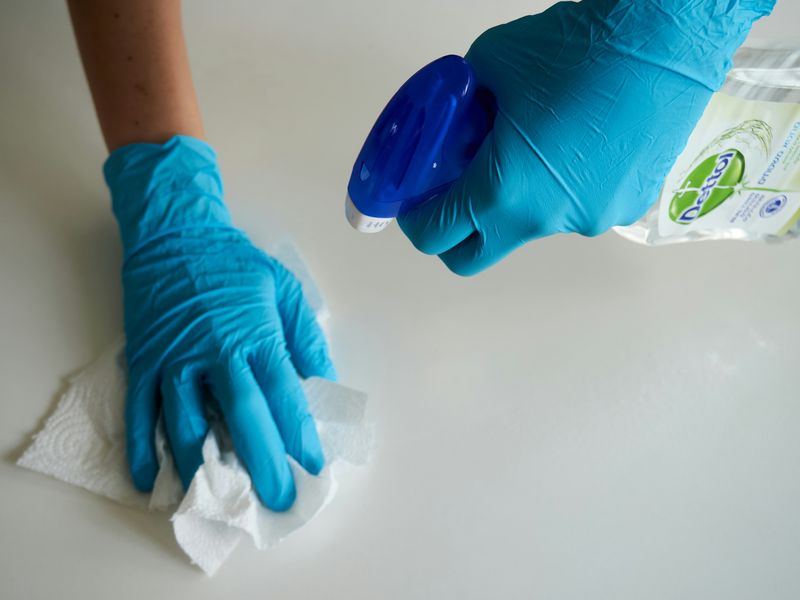
- Deep clean
- Final inspection and move-in photos
The order matters. Cleaning before repairs means sanding dust, drywall dust, and paint drips land on surfaces that were already done.
Send tenants a move-out reminder
About four weeks before lease end, email your tenants a short move-out reminder that includes:
- The move-out date, key return time, and method (key drop or lockbox, as listed in your lease)
- What to do before leaving: empty the fridge, freezer, and cabinets, take out all trash, and remove every personal item
- What happens to items left behind, per your lease: items left behind may be charged against the deposit and disposed of after the notice period in your lease
- A request for a forwarding address for the deposit
Book vendors early and keep a backup plan
Book your painter, hauler, and cleaner four to six weeks before lease end. Confirm dates in writing, and give every vendor the same access details: unit number, key or lockbox arrangement, and parking.
Keep a second name for each trade, know which small jobs you can do yourself, and leave a day or two between steps if you can. For more scheduling ideas, see 5 ways to speed up apartment turnovers.
Do the Move-Out Walk-Through With Photos
Walk the unit as soon as the tenants hand over the keys, ideally with your move-in photos or checklist in hand. Photograph every room, including the inside of the oven, the refrigerator, closets, and the bathroom fixtures.
Maryland has specific rules for how and when deposit deductions must be documented and returned. Under Maryland law, landlords must usually return the security deposit with an itemized list of deductions within 45 days; owners should confirm the current statute on the Maryland Attorney General landlord-tenant page. Good dated photos make that process far easier.
What to look for in student units
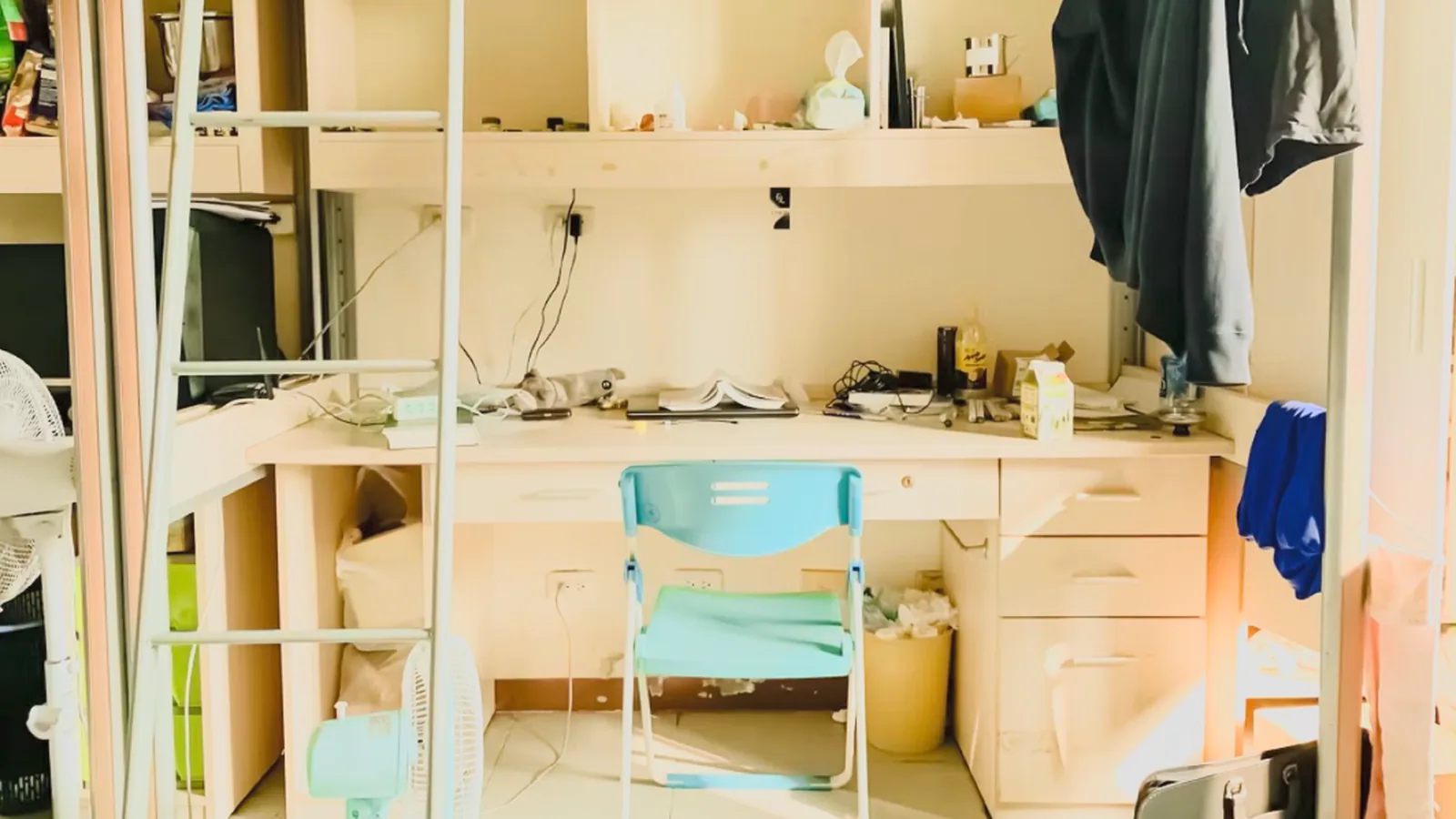
Student rentals tend to show the same kinds of wear:
- Holes, tape marks, and peeled paint from posters and adhesive hooks
- Scuffed walls and drag marks where furniture was moved in and out
- Grease buildup on the stove, range hood, and nearby cabinets
- Soap scum, hard water stains, and mildew in shared bathrooms
- Broken or bent blinds and missing window screens
- Food left in the refrigerator, freezer, and pantry
- Disconnected or missing smoke detector batteries
Clear Everything Out First
A clean can't start until the unit is empty. Student move-outs often leave furniture, mattresses, bags of trash, and food behind. Line up a hauler or a dumpster ahead of time, and check your local bulk trash rules before anything goes to the curb. Check Baltimore County's bulk trash pickup rules on baltimorecountymd.gov, or hire a haul-away service for mattresses and furniture.
Set aside anything personal or valuable, such as IDs, keys, or electronics, and handle it as your lease and state law require. Follow your lease and Maryland rules: set valuables aside, give the required notice, then dispose of or store what's left. If mattresses show signs of pests, call pest control before the clean.
Empty the refrigerator and freezer the same day. Food left in a fridge that gets switched off or unplugged turns into a much bigger cleaning job within days.
Handle Repairs and Paint Before the Deep Clean
Once the unit is empty, work through your punch list. Common items in student rentals include:
- Patching nail and anchor holes, then touching up or repainting walls
- Replacing damaged blinds, screens, and outlet or switch covers
- Re-caulking tubs, showers, and kitchen sinks
- Tightening loose cabinet hinges, door handles, and towel bars
- Replacing burned-out bulbs and the HVAC filter
- Testing smoke and carbon monoxide detectors
- Re-keying or changing locks between tenant groups
New caulk needs time to cure before the shower is used. Most silicone caulk needs about 24 hours to cure before the shower is used; check the product label.
The item crews most often flag on student turns is baked-on oven grease, followed by mildewed bathroom caulk that needs replacing, not scrubbing.
Deep Clean Room by Room
After repairs and paint are done, the unit is ready for a full turnover clean. This goes well beyond routine cleaning, because you're resetting the unit for a new tenant. For a full room-by-room list, see our apartment turnover checklist.
Kitchen
The kitchen usually takes the most time in a student unit. Clean the inside of the oven and the range hood filter, the inside of the refrigerator and freezer, the microwave inside and out, and the cabinets inside and out. Wipe the backsplash, countertops, and sink, and clean under and behind appliances where you can safely pull them out.
Grease builds up in a predictable pattern. Cooking vapor rises, the hood filter catches some, and the rest settles on the hood, the wall above the stove, and the tops of nearby cabinets, which almost nobody wipes during the year. Soak a metal mesh filter in hot water and degreaser, then rinse and dry it; replace disposable or charcoal filters. Many units use a washable metal mesh filter; others use a disposable charcoal filter that should be replaced. Use a step stool to degrease the cabinet tops.
Bathrooms
Shared bathrooms get heavy use. Remove soap scum and hard water buildup from tubs, showers, and glass. Scrub grout, the toilet base, and behind the toilet. Clean the exhaust fan cover, mirrors, light fixtures, and the inside of the vanity and medicine cabinet.
When dust clogs the exhaust fan cover, the fan moves less air and moisture lingers, which feeds mildew on the ceiling and caulk lines. With the power off, remove the cover, wash it, and vacuum the housing. Mildew that has grown into caulk usually won't scrub out, so add it to the repair list.
Bedrooms and living areas
Dust and wipe baseboards, window sills, window tracks, and blinds. Clean closet shelves and rods, doors and door frames, light switches, and outlet covers. Vacuum along the edges and in closets, and mop hard floors. Vacuuming is part of a standard turnover clean. For heavy stains or pet odor, book a carpet cleaner as a separate step.
Remove leftover adhesive hooks from closets and walls. Vacuum window tracks with a crevice tool before wiping them, and dust blinds slat by slat. Clean the floor where beds and desks stood.
Furnished vs. Unfurnished Student Units
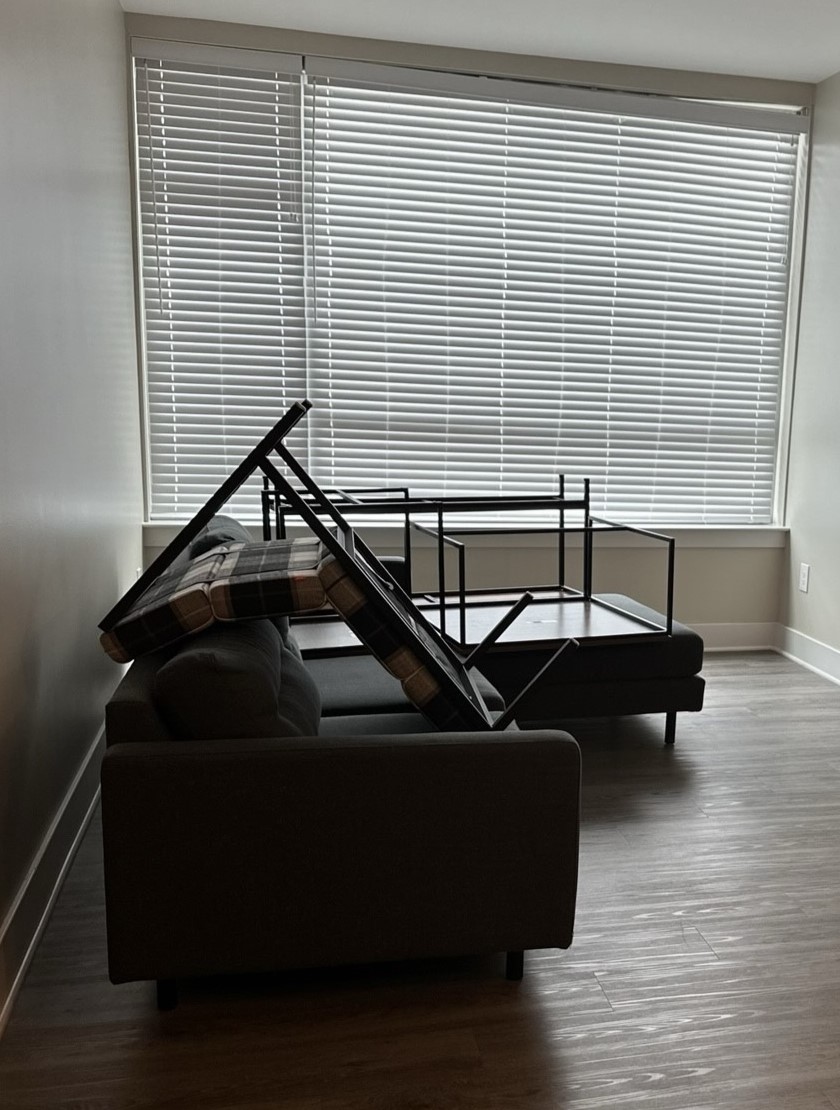
An unfurnished unit is mostly surfaces and floors. A furnished unit also needs its furniture checked and cleaned.
- Inventory check. Count beds, desks, chairs, dressers, and sofas against your list, and note damage. Keep a simple per-unit inventory list with photos from the last move-in.
- Decide what stays. Pull pieces that need replacing before the clean, so no one cleans furniture headed to the curb.
- Furniture wipe-down. Wipe all surfaces and drawer interiors, vacuum upholstery and under cushions, and clean behind and under each piece.
- Mattress protectors. Wash or replace them between tenant groups.
Get the Unit Photo- and Showing-Ready
Take listing photos after repairs and the clean, not before.
- Lighting. Make sure every bulb works and matches in color. Open the blinds and shoot in daylight.
- Smell check. Walk in after the unit has been closed up. Run every faucet to refill dry drain traps, and check the disposal, fridge, trash cans, and HVAC filter. Fix the source instead of masking it.
- Listing photos. Take wide shots of each room, plus the kitchen, bathrooms, and closets, with counters clear.
Finish With a Final Inspection
Walk the unit one last time with your checklist. Turn on every light, run every faucet, flush every toilet, and open every cabinet. Then take a new set of dated photos of every room. Those photos become the baseline for next year's move-out walk-through, and for any deposit questions.
Make Next Year's Turnover Easier
A few habits can shorten the next turnover:
- Put move-out expectations in writing. Include cleaning expectations in the lease and send tenants a move-out checklist in the spring.
- Schedule a pre-move-out visit. A quick walk-through a few weeks before lease end shows you what repairs to line up.
- Keep a paint and parts list. Record paint colors, sheens, blind sizes, and filter sizes for each unit so you aren't guessing every year.
Frequently Asked Questions
Should the clean happen before or after painting?
After. Patching and painting create dust and drips, so clean once the repairs and paint are finished.
What do student renters most often leave behind?
Food in the fridge, freezer, and pantry, bags of trash, furniture, and mattresses. Check closets and under beds and sinks for smaller items.
How far ahead should I book a turnover clean?
As early as you can, since many student units turn over in the same few weeks. We suggest four to six weeks before lease end.
Need Help With a Student Rental Turnover?
RLS Cleaning Services handles turnover cleaning for property owners and managers in Baltimore, Towson, and Bel Air / Harford County. Learn more about our apartment turnover cleaning service, call us at (443) 528-9473, email Rlong@Rlsclean.com, or reach out through our contact page.